 Australian Spiders
Australia is home to an extraordinary diversity of spiders. Found in forests, deserts, grasslands, wetlands, and even our homes, spiders are an essential part of Australian ecosystems. While Australia is often associated with “dangerous” wildlife, the vast majority of Australian spiders are harmless to humans and play a vital role in keeping insect populations balanced.
What Is a Spider?
Spiders belong to the class Arachnida, a group that also includes scorpions, mites, and ticks. They are not insects, despite often being grouped together.
Key characteristics of spiders:
- Eight legs
- Two body sections (cephalothorax and abdomen)
- No antennae
- Fangs (chelicerae) used to inject venom
- Silk‑producing spinnerets
All spiders produce venom, but in most species it is too weak to affect humans.
Spider Diversity in Australia
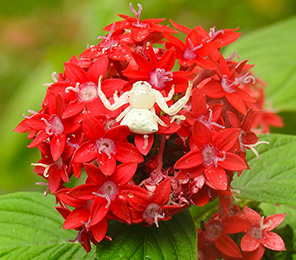
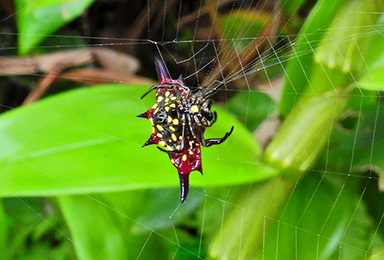
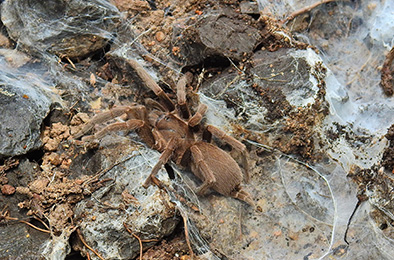
Australia is home to over 2,400 described spider species, with many more yet to be scientifically documented. These spiders vary widely in size, appearance, behaviour, and habitat.
Some well‑known Australian spider groups include:
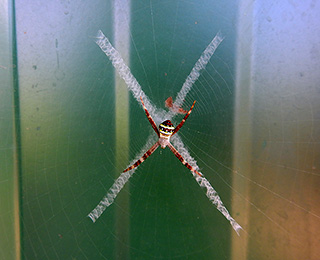
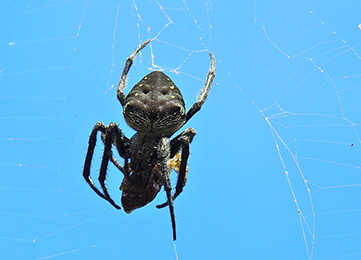
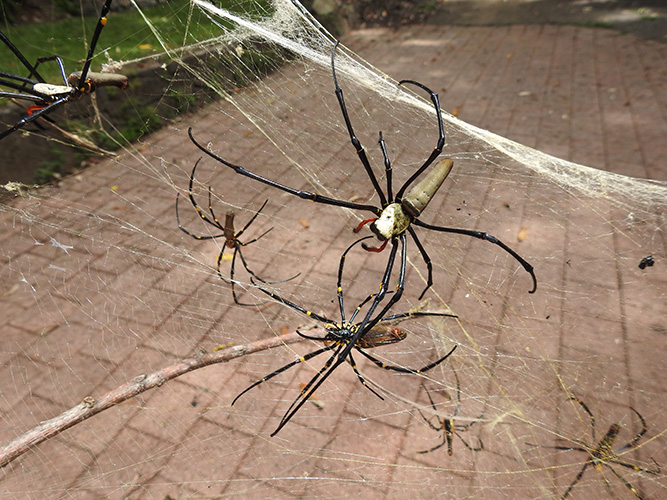
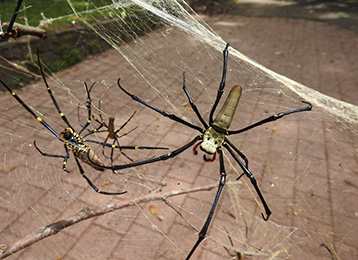
- Orb‑weavers – famous for their beautifully symmetrical webs
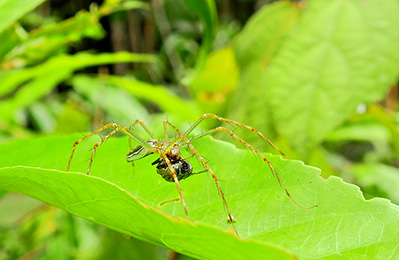
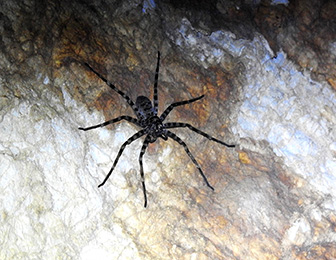
- Huntsman spiders – large, fast‑moving spiders commonly found on walls and trees
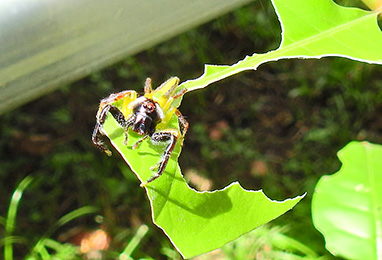
- Jumping spiders – small, intelligent hunters with excellent vision
- Wolf spiders – ground‑dwelling spiders that do not use webs to catch prey
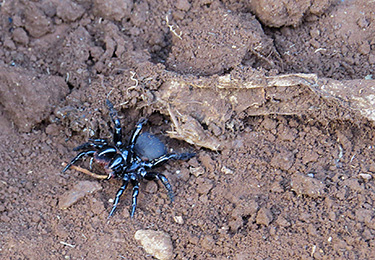
- Trapdoor spiders – burrow‑dwelling spiders with silk‑lined tunnels
This diversity reflects Australia’s wide range of climates and landscapes.
Venom and Safety
A small number of Australian spiders have venom that can cause serious medical symptoms in humans. The most notable are:
However, bites from these spiders are rare, and modern medical treatment is highly effective. Since the introduction of antivenom, fatal spider bites in Australia are extremely uncommon.
Most spiders prefer to avoid humans and will only bite in self‑defence.
Always seek medical advice if a spider bite causes pain, swelling, or unusual symptoms.
The Role of Spiders in Ecosystems
Spiders are important predators of insects and other invertebrates. By controlling insect populations, they help:
- Reduce agricultural pests
- Limit the spread of insect‑borne diseases
- Maintain healthy ecological balance
Spiders themselves are also food for birds, reptiles, amphibians, and small mammals, making them a key part of food webs.
Spiders and Silk
Spider silk is one of the strongest natural fibres known. Australian spiders use silk for:
- Building webs
- Lining burrows
- Creating egg sacs
- Catching prey
- Dispersing young spiders through “ballooning”
Scientists study spider silk for potential uses in medicine, engineering, and materials science.
Living Alongside Spiders
Many Australian spiders live close to humans, often unnoticed. In gardens and homes, they quietly help by feeding on flies, mosquitoes, and other insects.
Simple ways to coexist safely include:
- Avoiding unnecessary handling
- Gently relocating spiders outdoors when needed
- Keeping shoes and gloves checked in outdoor areas
Learning to recognise common spiders helps reduce fear and encourages respect for these animals.
Why Spiders Matter
Spiders have existed for over 380 million years, long before humans. Their survival across time highlights their adaptability and importance to life on Earth.
Understanding Australian spiders helps:
- Dispel myths and fears
- Promote biodiversity conservation
- Encourage curiosity and scientific thinking
Learn More
Australia’s spiders are fascinating, complex, and often misunderstood. By learning about them, we gain a deeper appreciation for the delicate balance of nature—and the quiet role spiders play in keeping it healthy.
Explore further to discover individual species, habitats, and the science behind these remarkable arachnids.