
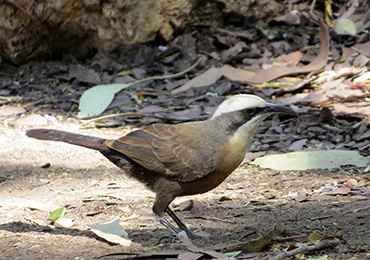
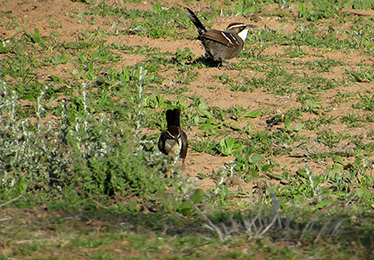
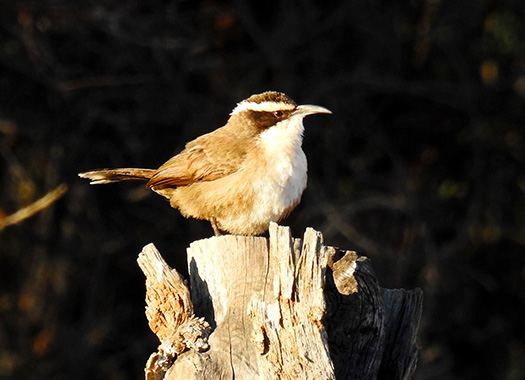
Australian babblers are lively, highly social birds known for their constant chatter and strong family bonds. Found across many parts of Australia, these birds often move through woodlands and scrublands in close‑knit groups, hopping along the ground and calling to one another as they search for food. Their busy behaviour and noisy conversations make them some of the most entertaining birds to observe in the Australian bush.
Unlike the true babblers of Asia and Africa, Australian babblers belong mainly to the family Pomatostomidae, a group of birds that evolved specifically in Australia and nearby regions. These birds are especially well known for their cooperative breeding behaviour, where several members of a family group work together to build nests, defend territory and raise chicks.
Scientific family: Pomatostomidae
Typical length: 20–30 cm depending on species
Habitat: Woodlands, open forests, scrublands and semi‑arid regions
Diet: Insects, spiders, larvae, seeds and small fruits
Social behaviour: Live in cooperative family groups
Distribution: Across much of Australia
Most Australian babblers share several distinctive physical features that help them thrive in woodland environments.
Common characteristics include
Their natural colouring helps them blend into the leaf litter, bark and dry vegetation of their habitats.
Babblers are famous for their loud and constant chatter, which often sounds like a lively conversation between birds.
Their calls may include
Because these birds communicate frequently while moving through vegetation, people often hear babblers before they see them.
Australian babblers live in a wide range of environments but are most commonly found in
They prefer habitats with scattered trees, shrubs and plenty of leaf litter, which provide both nesting sites and abundant insects to feed on.
Some species have adapted to rural landscapes and farmland, provided native vegetation remains.
Babblers spend much of their time foraging on the ground or along tree trunks.
Their diet mainly consists of
As they search for food, they turn over leaves, probe bark and scratch through the soil, helping to recycle nutrients and control insect populations.
One of the most remarkable features of Australian babblers is their cooperative social structure.
Instead of living as simple pairs, babblers usually form family groups that may include up to 10 or more birds. These groups often contain parents, young birds from previous seasons, and new chicks.
Members of the group help with
This teamwork improves survival and helps the birds cope with the challenges of Australia’s often harsh environments.
Australia is home to several babbler species, each adapted to different regions and habitats.
Species include
Each species has its own unique behaviours, habitat preferences and conservation challenges.
While some babbler species remain common, others have declined in parts of Australia due to habitat changes.
Major threats include
Because babblers rely on stable family groups and connected habitats, fragmented landscapes can make survival more difficult.
Protecting babblers also helps many other woodland birds and animals.
Actions that can support these species include
Healthy woodland ecosystems allow babblers and many other species to thrive.
Australian babblers bring energy, sound and movement to the bush. Their constant chatter and cooperative behaviour provide a fascinating glimpse into the complex social lives of birds. Watching a group move through the woodland together is like observing a small community, with each bird playing an important role.
By protecting their habitats and learning more about these remarkable birds, we help ensure that their lively conversations continue to echo through Australia’s forests and woodlands.