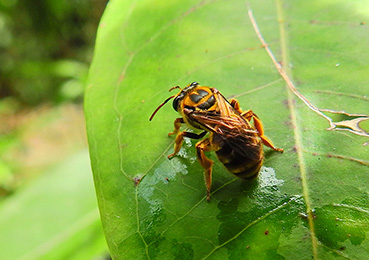
Australian bees
Native Australian Bees – The Quiet Pollinators of the Land
Long before European honey bees arrived in Australia in the early 1800s, the continent was already alive with bees. For millions of years, native Australian bees have worked quietly among flowering plants, shaping landscapes, sustaining ecosystems and supporting life in ways that often go unnoticed.
Today, Australia is home to one of the richest bee faunas on Earth, with around 2,000 species of native bees, many of them found nowhere else in the world.
A Remarkable Diversity
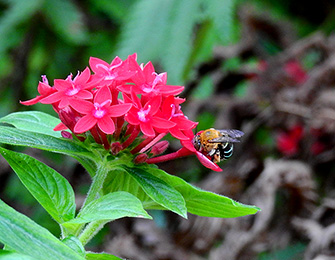
Native Australian bees come in an extraordinary range of shapes, sizes and colours. Some are smaller than a grain of rice, while others are large and robust. There are metallic green bees, fuzzy brown bees, sleek black bees and the well‑known blue‑banded bees with their vivid turquoise stripes.
Unlike the familiar honey bee, most native bees are solitary. Each female builds her own nest, gathers pollen and nectar, and lays her eggs without the help of workers or a queen. This independent lifestyle has allowed native bees to adapt to many different environments, from deserts and rainforests to coastal dunes and city gardens.
Where Native Bees Live
Native bees are found across mainland Australia, in almost every habitat where flowering plants grow. They nest in many different places, including:
- Burrows dug into soil or sand
- Hollow plant stems
- Old beetle holes in wood
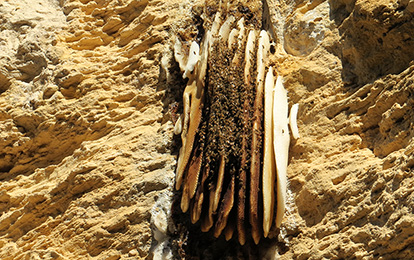
- Soft clay banks or sandstone
- Tree hollows and rock crevices
Some species readily use human‑made spaces, such as garden beds, mud brick walls and specially designed bee hotels.
Masters of Pollination
Native bees are vital pollinators. As they move from flower to flower collecting nectar and pollen, they transfer pollen between plants, allowing seeds and fruit to develop.
Many Australian plants have evolved close relationships with native bees, relying on them for successful reproduction. Some bees are specialists, visiting only certain types of flowers, while others are generalists that feed from many plant species.
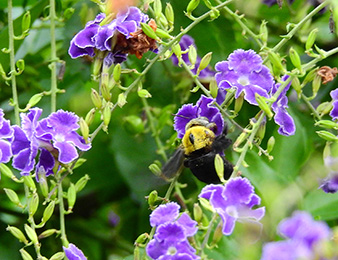
A particularly important skill is buzz pollination, used by bees such as blue‑banded bees. By vibrating their flight muscles while gripping a flower, they shake pollen loose from flowers that cannot release pollen in other ways. This makes native bees especially important for plants like tomatoes, eggplants and some native flowers that honey bees cannot pollinate effectively.
Honey‑Making Native Bees
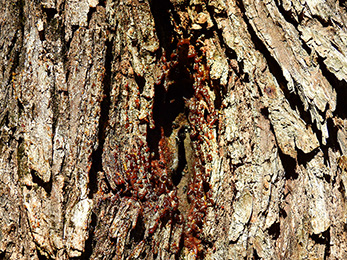
Only a very small number of Australian native bees produce honey. These are the stingless bees, often called sugarbag bees, belonging mainly to the genus Tetragonula. They live in small colonies inside tree hollows and store honey in tiny resin pots.
This honey has long been valued by Aboriginal Australians as both food and medicine. It is produced in small quantities and tastes quite different from commercial honey, often being tangy rather than sweet.
Gentle and Often Misunderstood
Most native bees are harmless to people. Many species are too small to sting, and those that can sting are non‑aggressive and rarely do so unless handled. Because they do not defend large hives, native bees are safe to observe up close and are ideal insects for learning about pollination.
Despite their importance, native bees are often mistaken for flies or wasps and overlooked entirely.
Cultural and Ecological Importance
For Aboriginal Australians, native bees and their honey have been part of life for tens of thousands of years. Knowledge of flowering seasons, nesting sites and sustainable harvesting reflects deep understanding of Country and the rhythms of the natural world.
Ecologically, native bees help maintain plant diversity, support wildlife food webs and assist landscapes to recover after drought, fire and disturbance.
Challenges and the Future
Native bees face increasing challenges from habitat loss, reduced flower diversity, pesticide use and climate extremes. Many species are still poorly studied, and scientists are only beginning to understand their full roles in Australian ecosystems.
Protecting native bees means protecting the plants, soils and habitats they depend on.
Why Native Australian Bees Matter
Native Australian bees are quiet achievers. They do not produce commercial honey, and they rarely draw attention to themselves, yet they are essential to the health of the land.
Every flowering tree, seed‑filled grass and fruit‑bearing plant carries the mark of their work. By learning about native bees and giving them space to thrive, we help ensure that Australia’s landscapes continue to bloom for generations to come.