Eggfly Butterflies of Australia
Eggfly Butterflies of Australia
Eggfly butterflies are among the most fascinating and adaptable butterflies found across Australia. Belonging to the genus Hypolimnas within the brush‑footed butterfly family Nymphalidae, these butterflies are known for their striking patterns, strong flight, and remarkable ability to adapt to many different environments.
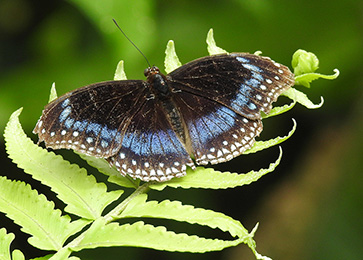
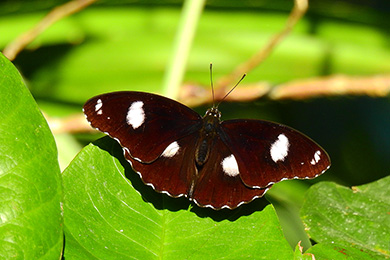
The name “Eggfly” comes from the rounded white markings on the wings of several species, which early naturalists thought resembled small eggs. These distinctive spots are especially visible on the wings of male butterflies and make the group easy to recognise.
In Australia, eggfly butterflies are most commonly found in tropical and subtropical regions, though some species extend into temperate areas. They inhabit a wide range of environments including forests, woodlands, gardens, coastal vegetation, and even urban parks.
A Butterfly of Many Forms
One of the most interesting features of eggfly butterflies is their extreme sexual dimorphism, meaning males and females can look very different from one another.
- Males often display bold colours and iridescent markings that help them attract mates.
- Females may have several different colour forms, many of which mimic other butterfly species.
This mimicry can protect them from predators by making them resemble toxic butterflies that birds learn to avoid.
Adaptable and Widespread
Eggfly butterflies are highly adaptable insects capable of living in a wide range of habitats. Across Australia they can be found in:
- tropical rainforests
- woodland and forest edges
- coastal vegetation
- farmland and open countryside
- suburban gardens and parks
Because many eggflies can use a variety of host plants for their caterpillars, they have been able to thrive even in areas influenced by human activity.
Life Cycle and Host Plants
Like all butterflies, eggflies undergo complete metamorphosis, passing through four stages:
- Egg – laid on the leaves of host plants
- Caterpillar – the feeding stage where the larva grows rapidly
- Chrysalis – the transformation stage
- Adult butterfly
Eggfly caterpillars typically feed on plants in the legume family (Fabaceae) and several other plant groups. These plants provide the nutrients needed for the caterpillar to develop into an adult butterfly.
The entire life cycle usually takes around four to six weeks, depending on temperature and food availability.
Longevity
Adult eggfly butterflies generally live two to four weeks, although favourable conditions can allow multiple generations to appear throughout the year in warmer regions of Australia.
Indigenous Connections
Butterflies are closely linked to seasonal cycles in many Australian ecosystems. In many Indigenous knowledge systems, the appearance of butterflies often coincides with flowering plants and changing weather patterns.
Observations of insects such as butterflies contribute to traditional ecological knowledge that reflects the health of landscapes and the seasonal rhythms of Country. Because Australia contains many language groups, traditional names for butterflies vary between regions and are not always widely recorded in public sources.
Ecological Importance
Eggfly butterflies play an important role in ecosystems as:
- pollinators of flowering plants
- part of the food chain for birds and reptiles
- indicators of healthy environments
Their ability to adapt to many habitats also makes them useful indicators of environmental change.
Scientific References
Braby, M. F. Butterflies of Australia: Their Identification, Biology and Distribution
Atlas of Living Australia – Hypolimnas species records
Australian Butterfly Conservation resources
CSIRO – Australian insect biodiversity
Wikipedia – Hypolimnas (Eggfly butterflies)