GLOSSY IBIS
Glossy Ibis
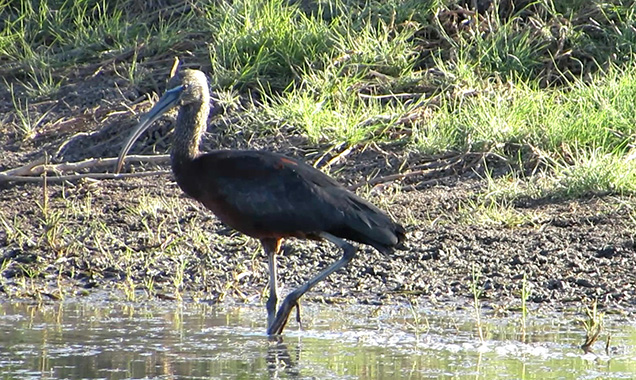
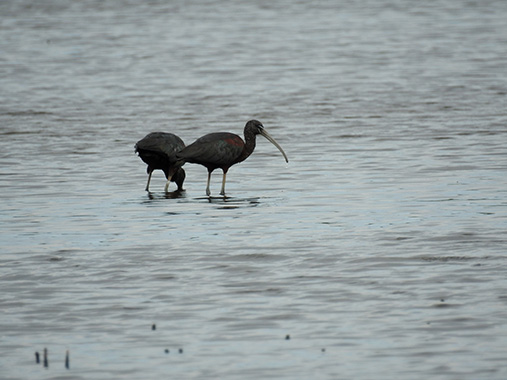
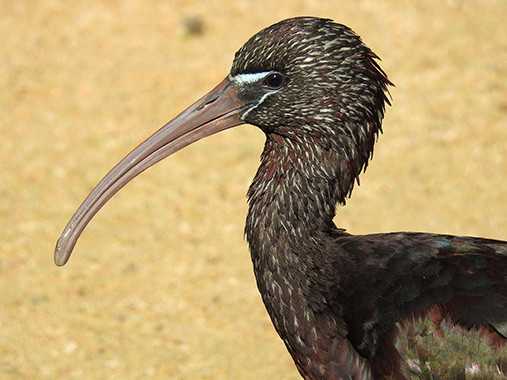
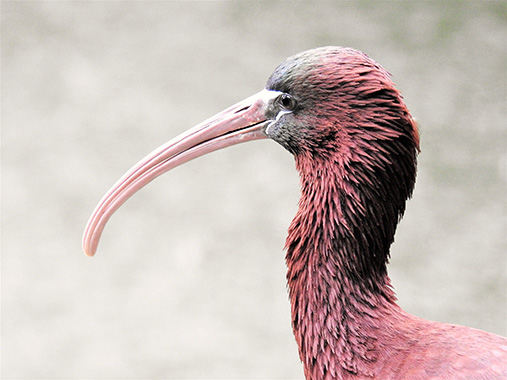
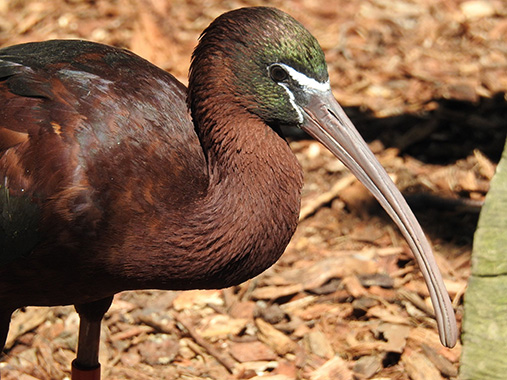
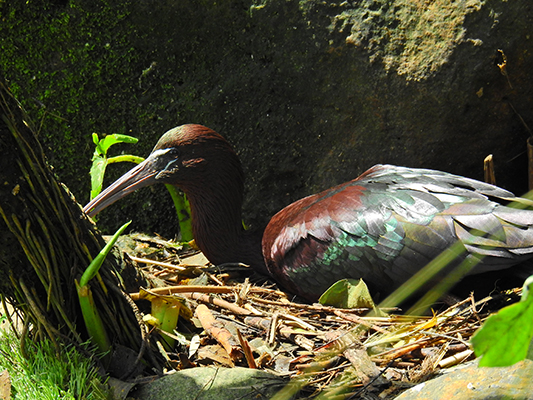
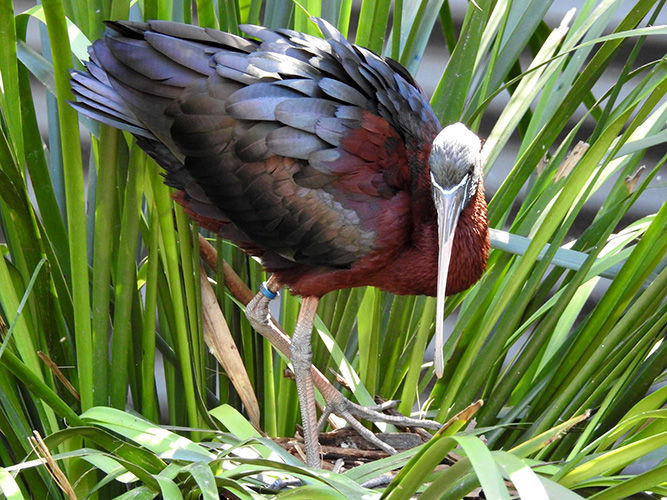
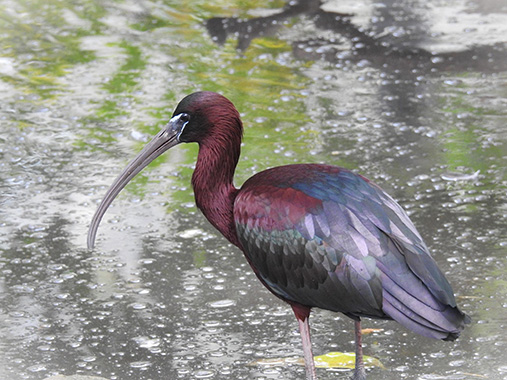
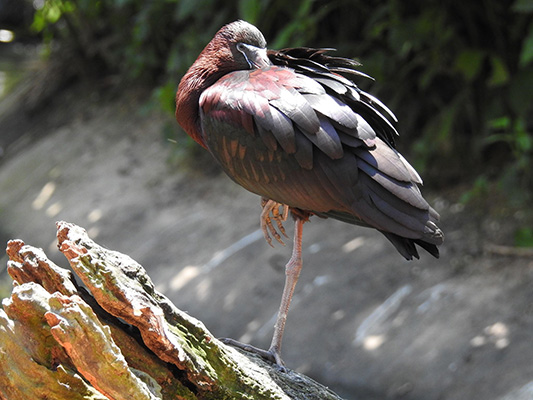
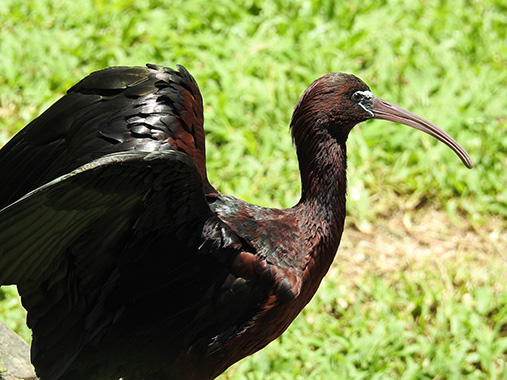
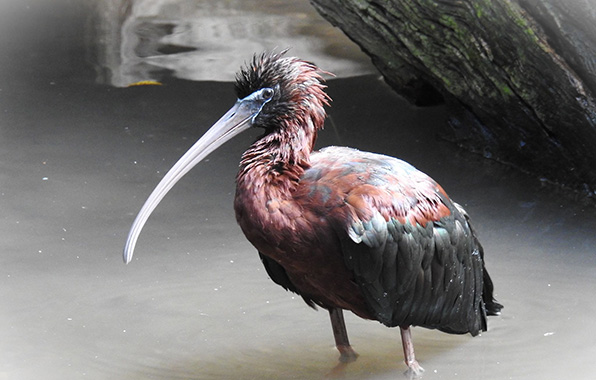
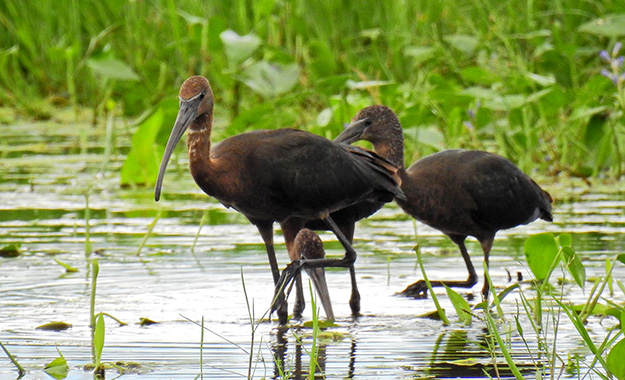
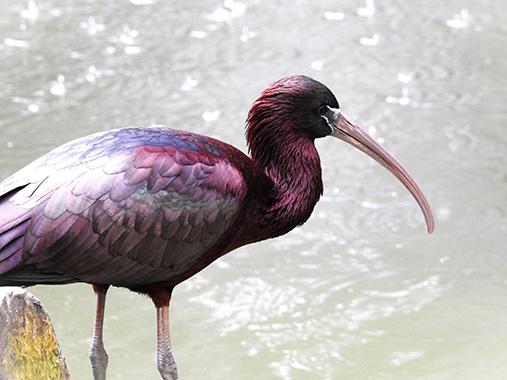
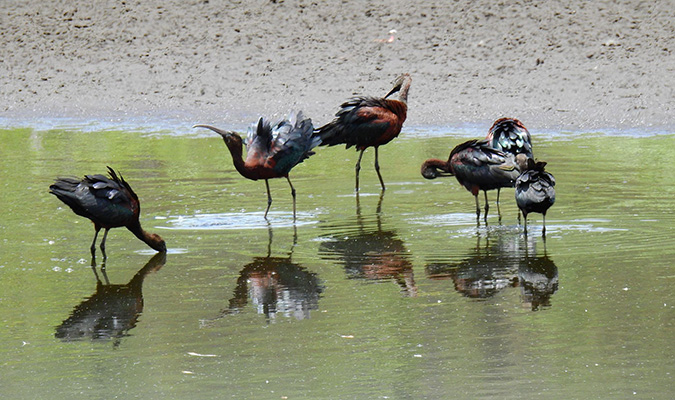
Across a shallow wetland, a flock of glossy ibises moves slowly through the water, dipping their curved bills into the soft mud. From a distance, the birds appear almost black. Then the sunlight catches their feathers, revealing rich chestnut, shimmering green and bronze, with hints of purple.
The glossy ibis belongs to the family Threskiornithidae, which includes ibises and spoonbills. It is the smallest of Australia’s three ibis species and the most widely distributed ibis in the world.
Closely connected to wetlands, this elegant bird follows opportunities created by rainfall and flooding. Its presence is a reminder of the life supported by shallow water, muddy margins and healthy floodplains.
What Does the Glossy Ibis Look Like?
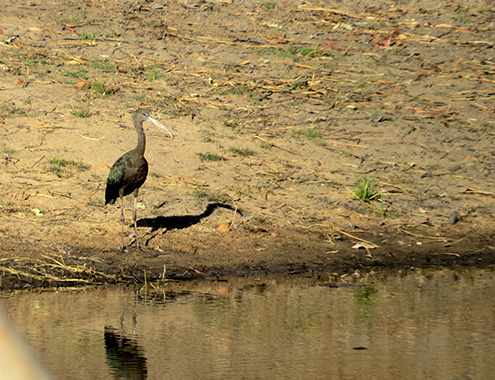
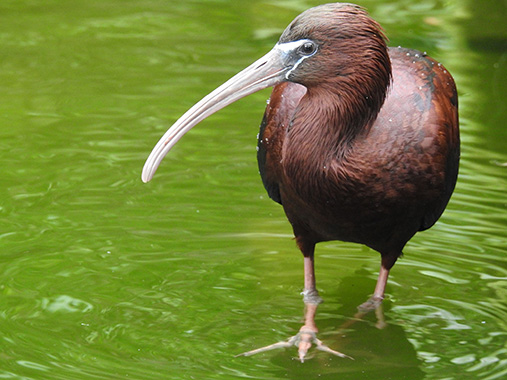
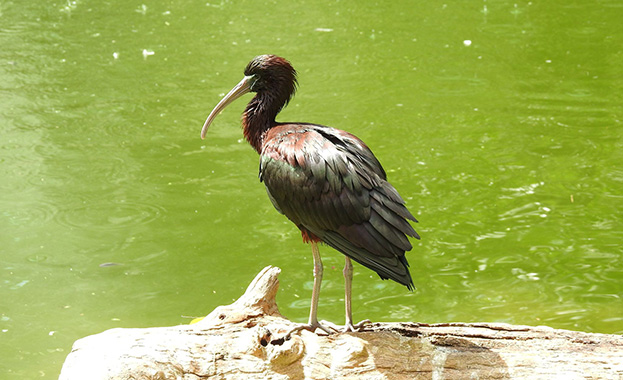
The glossy ibis is a medium-sized wading bird, measuring approximately 48–66 centimetres in length. It has a slender body, long legs, a long neck and a downward-curving bill.
Its colouring changes noticeably with the light and season:
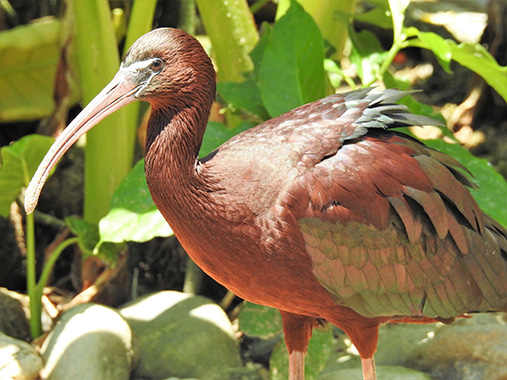
- In breeding plumage, the head, neck and body are rich chestnut-brown, while the wings and tail shine with metallic green, bronze and purple.
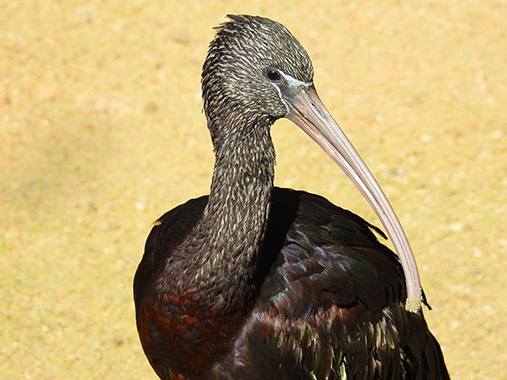
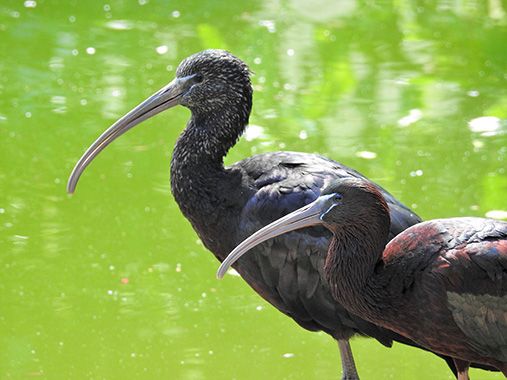
- Outside the breeding season, the head and neck are duller brown, often with fine pale streaks.
- Young birds are generally less richly coloured, with a browner head and neck.
The bill is greyish-brown, and the legs are dark. Adults develop pale bluish or whitish lines bordering the bare facial skin around the eyes, becoming more conspicuous during breeding.
Unlike the Australian white ibis, the glossy ibis has a feathered head and neck.
In flight, it stretches its neck forwards and trails its legs behind. Flocks sometimes travel in lines or V-shaped formations, alternating steady wingbeats with short glides.
What Does the Glossy Ibis Sound Like?
Glossy ibises are often quiet while feeding. Their calls include low grunts, croaks and nasal sounds, particularly around breeding colonies.
A nesting colony can be much livelier than a feeding flock, with adults calling as they arrive and chicks begging for food among the reeds or branches.
Where Does the Glossy Ibis Live?
The glossy ibis has a broad global distribution, occurring in parts of Europe, Africa, Asia, Australia and the Americas.
In Australia, it is most regularly encountered in the north and east, although birds can appear elsewhere when conditions are suitable. Its movements are strongly influenced by water availability.
Preferred habitats include:
- Shallow freshwater wetlands and marshes.
- Swamps, lagoons and floodplains.
- Wet grasslands and flooded pastures.
- Irrigated farmland, including rice fields.
- Some brackish wetlands and sheltered coastal areas.
Glossy ibises generally favour places with shallow water, soft mud and abundant small prey.
Some populations overseas migrate seasonally. In Australia, movements are often better described as nomadic or dispersive: birds travel in response to rainfall, flooding and drying wetlands rather than following a fixed annual route.
What Does the Glossy Ibis Eat?
Glossy ibises mainly eat small invertebrates, including:
- Aquatic insects and their larvae.
- Beetles and other insects.
- Crustaceans.
- Snails and other molluscs.
- Worms.
They also take small fish, frogs and tadpoles when available.
Their long, curved bills are well suited to probing mud and shallow water. Moving steadily through a feeding area, they repeatedly push their bills beneath the surface to locate hidden prey.
Glossy ibises often feed in flocks, sometimes alongside other waterbirds. By consuming insects and other small animals, they contribute to the natural food webs of wetlands and surrounding grasslands.
How Long Does a Glossy Ibis Live?
Glossy ibises can live for more than 20 years, based on longevity records from marked wild birds.
This represents recorded longevity rather than an average lifespan. Many birds live shorter lives, and their survival depends on habitat quality, food availability, weather, predation and other pressures.
Long-term bird-banding studies help researchers understand how long these birds live and how far they travel.
Breeding and Raising Young
Glossy ibises usually breed in colonies, sometimes alongside herons, egrets, spoonbills and other ibis species.
In Australia, breeding is closely linked to favourable wetland conditions. Flooding can provide both abundant food and suitable nesting habitat.
Nests are built in dense reeds, shrubs or trees, often over or close to water. Each nest is a platform of sticks and other plant material, lined with softer vegetation.
Females typically lay three or four pale blue-green eggs, although clutch size varies. Both parents share incubation, which lasts approximately three weeks.
After hatching, the chicks are fed regurgitated food by both parents. As they grow, they may climb out onto nearby branches or vegetation before they can fly. Young birds generally begin flying at around four to five weeks of age, although they may continue receiving food from their parents.
Successful breeding depends on wetlands remaining suitable long enough for the young to develop. If water levels fall too quickly, food supplies and protection around the colony can be reduced.
Glossy Ibis Conservation Status
The glossy ibis is classified globally as Least Concern on the IUCN Red List.
Its extensive distribution provides some resilience, but this classification does not mean that every local population is secure. Wetland loss and changes to water availability can affect feeding, breeding and survival.
In Australia, protecting floodplains and maintaining suitable wetland water regimes are important for glossy ibises and the many other species that share their habitat.
Threats to Glossy Ibises
Major threats and pressures include:
- Wetland drainage and habitat loss, which remove feeding and nesting areas.
- River regulation and water extraction, which can alter the flooding needed to support wetland breeding.
- Drought and changing rainfall patterns, which reduce the availability of suitable habitat.
- Pollution and pesticide exposure, which may affect birds directly or reduce their prey.
- Disturbance at nesting colonies, particularly when adults are incubating eggs or feeding chicks.
Because glossy ibises move between wetlands, conservation needs to protect networks of habitats, not just individual nesting sites.
How Can We Help Glossy Ibises?
- Support wetland protection and restoration. Healthy wetlands provide food, shelter and breeding opportunities.
- Keep waterways clean. Dispose of litter responsibly and prevent chemicals from entering drains, creeks and wetlands.
- Reduce unnecessary pesticide use. Protecting insects and other invertebrates helps sustain natural food webs.
- Observe birds from a distance. Use binoculars or a camera zoom rather than approaching feeding flocks or nesting colonies.
- Keep pets away from wetland wildlife. Dogs can disturb birds even when they do not catch them.
- Contribute bird sightings to citizen-science projects. Records submitted through platforms such as BirdLife Australia’s Birdata help build knowledge of distribution and habitat use.
Interesting Facts About Glossy Ibises
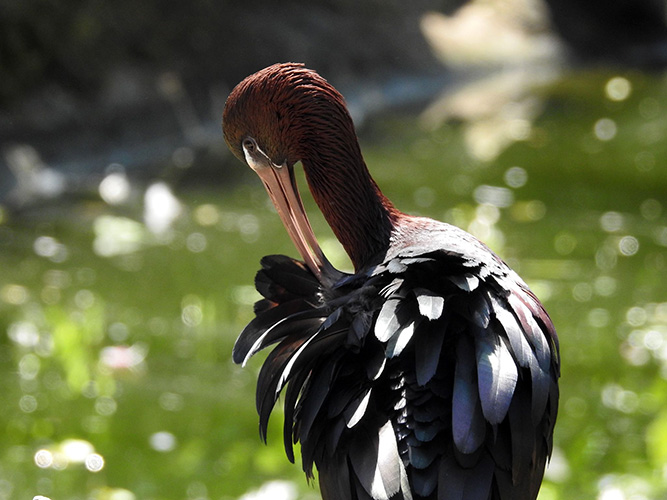
- Their feathers change appearance with the viewing angle. Microscopic feather structures reflect light, producing the metallic sheen known as iridescence.
- They are Australia’s smallest ibis species. The Australian white ibis and straw-necked ibis are both larger.
- Their scientific name describes their curved bill. Plegadis and falcinellus refer to a sickle-like shape.
- They can travel long distances. Their movements allow them to find newly flooded wetlands and other productive feeding areas.
- They nest with other waterbirds. A single wetland colony may support several species raising their young together.
A glossy ibis may look like a dark silhouette until it turns into the light. Then its colours emerge—a quiet surprise in the shallows. Protecting the wetlands it depends on helps preserve both this beautiful bird and the rich community of life beneath its feet.
References and Further Reading
Photo Gallery