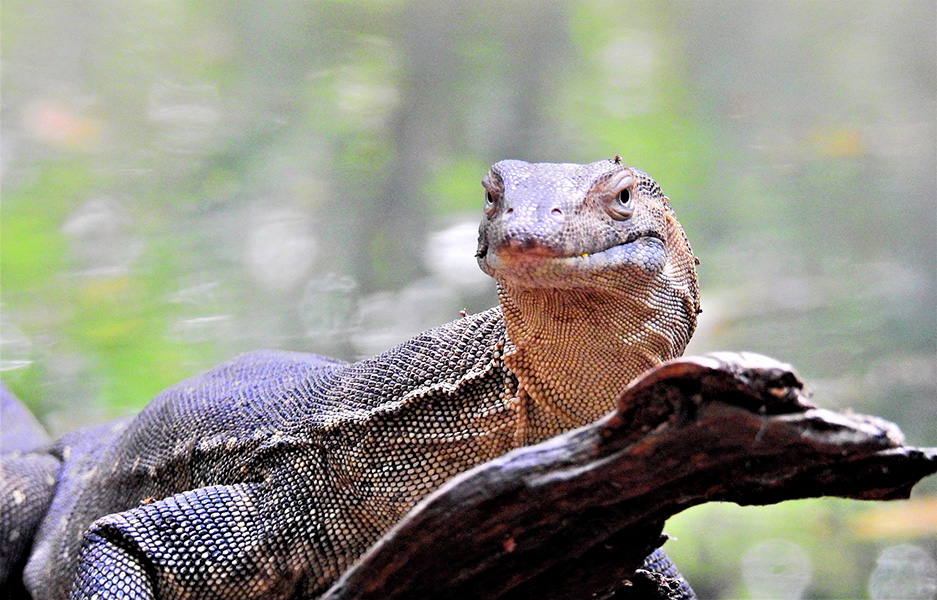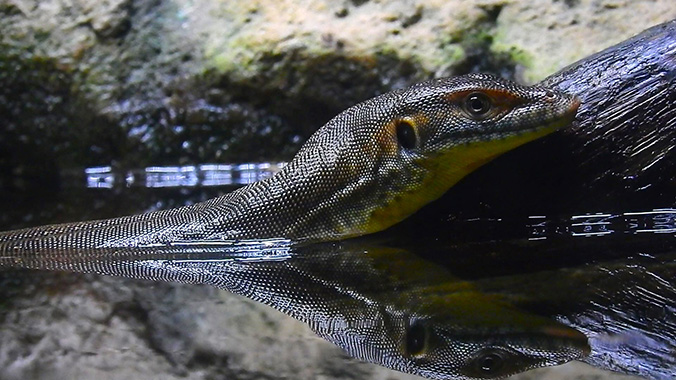
MERTENS' WATER MONITOR
Mertens’ Water Monitors: Nature’s Aquatic Acrobats
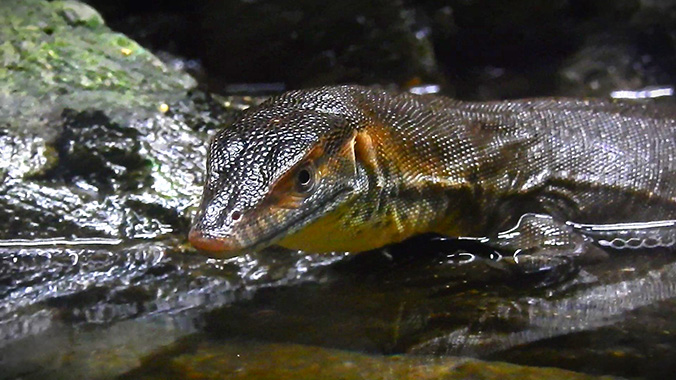
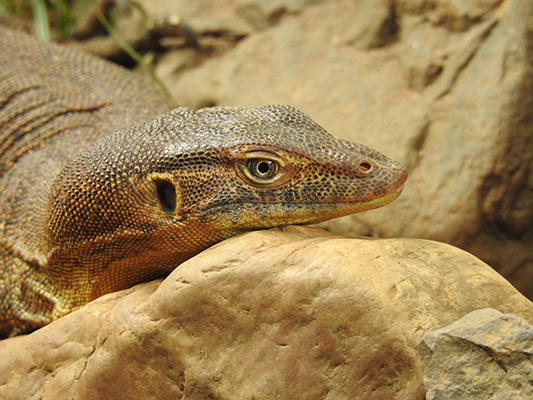
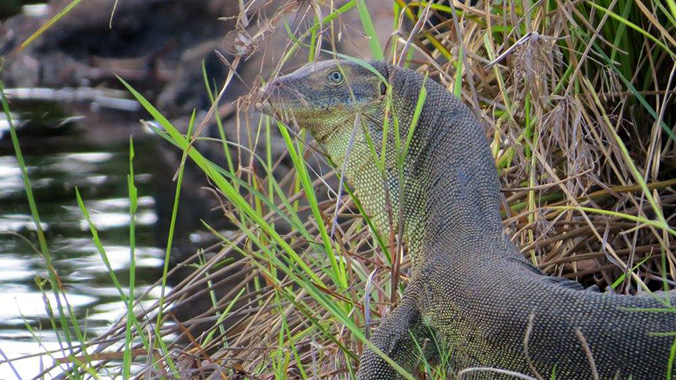
Mertens’ water monitors are primarily found across northern Australia. Their habitat stretches from the Kimberly region in Western Australia, across the Top End of the Northern Territory, and into western Queensland. They have a particular affinity for water and are often spotted basking on the banks of rivers, creeks, billabongs, and even mangrove swamps. This remarkable reptile is a true spectacle of the Australian wild, and it has some unique characteristics that set it apart from other creatures.
Fascinating Features at a Glance
| Feature | Details |
|---|---|
| Scientific Name | Varanus mertensi |
| Size | Up to 1.2 metres (snout-to-tail) |
| Habitat | Rivers, creeks, billabongs, mangrove swamps (N. Australia) |
| Diet | Fish, frogs, reptiles, insects, carrion—a true buffet! |
| Egg-laying | Usually in termite mounds |
| Conservation | Least concern (but keeping an eye on threats) |
Splendid Swimmers
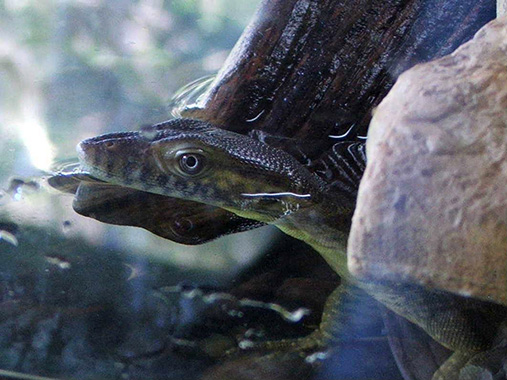
Mertens’ water monitors are That laterally compressed tail? It works just like a mighty rudder, making these lizards as agile underwater as they are on land.
- Fun Fact: They can remain submerged for up to 30 minutes!
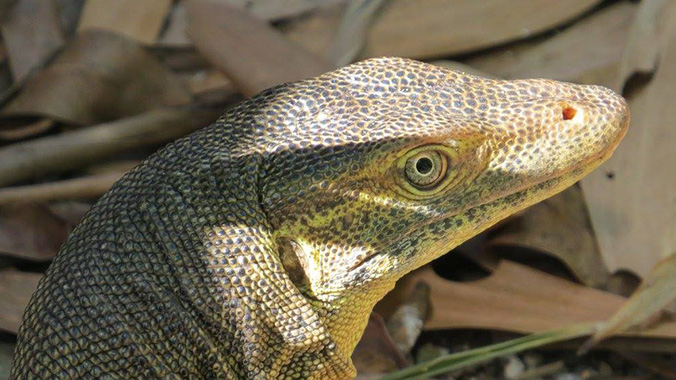
- Their nostrils are placed on top of their snouts.
- Sharon: The Merten’s Water Monitors that I have had ‘Close Encounters’ with have mainly been in outback Australia, mainly in Queensland & the Northern Territory. They love hanging around the outback waterways and are often seen swimming from bank to bank.
Thermoregulation Pros
Whether sunbathing after a chilly swim or escaping to burrows during the midday broil, these lizards have thermoregulation down to an art.
Basking to Warm Up
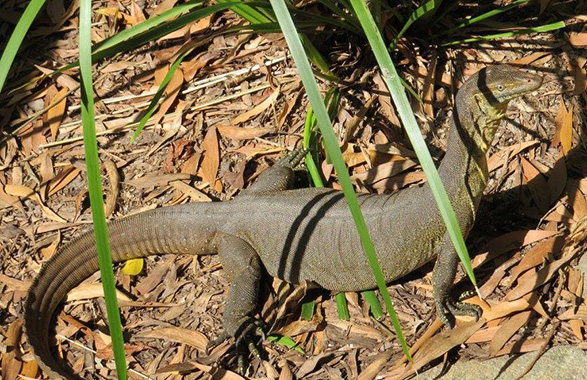
Early in the morning, Mertens’ Water Monitors often emerge from shelter and bask in direct sunlight on riverbanks, rocks, logs, or sandbars. By spreading their bodies flat and orienting themselves toward the sun, they maximise the surface area exposed to solar radiation. This helps them quickly raise their body temperature after the cooler night. Once warmed, they become active hunters.
Adjusting Body Position
Like many reptiles, they can adjust their posture and orientation to control how much sunlight they absorb. Turning their body sideways to the sun increases heating, while lifting the body off the ground or turning away from the sun reduces heat gain.
Using Water to Cool Down
Because this species lives around rivers, billabongs, and wetlands, it has an important cooling advantage. When body temperature becomes too high, Mertens’ Water Monitors will enter the water to dissipate excess heat. Water conducts heat away from the body far more efficiently than air, allowing the lizard to cool rapidly.
Seeking Shade or Shelter
During the hottest parts of the day, the lizards may retreat to shaded areas, such as under vegetation, in hollow logs, or inside burrows along riverbanks. These microhabitats provide cooler temperatures and help prevent overheating.
Activity Timing
Their daily activity patterns also help regulate temperature. They tend to be most active during warm but not extreme temperatures, often hunting during morning and late afternoon. During intense midday heat, they may rest in shaded areas or in the water.
Importance of Thermoregulation
Maintaining the right body temperature is essential for Mertens’ Water Monitors. Proper thermoregulation allows them to:
- digest food efficiently
- move quickly when hunting or escaping predators
- support normal metabolism and growth
- maintain immune function
Because they depend heavily on natural basking sites and healthy waterways, changes to habitat—such as removal of riverside vegetation or disturbance of basking areas—can affect their ability to regulate body temperature effectively.
In essence, Mertens’ Water Monitors manage their temperature through a dynamic balance of basking, behavioural adjustments, and access to water, allowing them to thrive in the warm tropical environments of northern Australia.
Family Planning, Monitor-Style
Choosing a termite mound for a nursery is a stroke of reptilian genius. The internal heat of an active mound provides a constant, comfortable temperature, perfect for egg incubation—with barely any ‘baby monitor’ required.
- Incubation period: ~8 to 9 months—a long wait for some little lizards!
Ecological Significance
These monitors are not simply show-offs; they are keystone species in the web of life:
- Predators: Regulate populations of fish, amphibians, and invertebrates.
- Prey: Serve as a snack for crocs, raptors, and even larger goannas.
- Ecosystem health indicators: Their presence reflects the vitality of waterways.
Conservation: Past the “Least Concern” Label
While currently stabilised, Varanus mertensi now face:
- Cane toad invasion: Eating a single toxic toad can be fatal—a threat slithering steadily south.
- Habitat change: Dams and water pollution can disrupt precious aquatic habitats.
So, although their conservation status is not yet critical, vigilance is the name of the game.Mertens’ water monitors are living proof of Australia’s ecological ingenuity. Balancing aquatic agility, a varied diet, and ecosystem significance, they inspire appreciation—and remind us why conservation is more than just a buzzword.
Photo Gallery