Swallowtail Butterflies
Swallowtail Butterflies of Australia
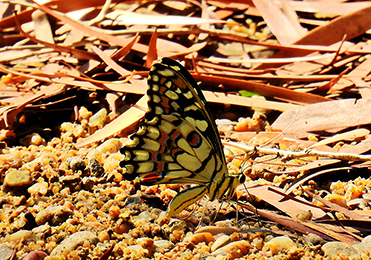
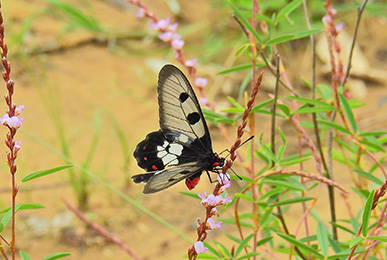
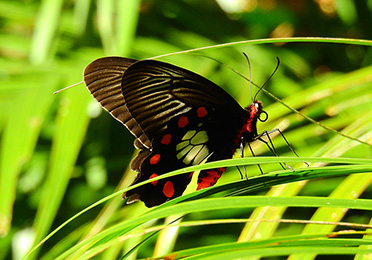
Among the most spectacular insects found in Australia are the swallowtail butterflies, a group of large, powerful fliers known for their striking colours and elegant wing shapes. Belonging to the butterfly family Papilionidae, these butterflies are admired by scientists, photographers, and nature lovers alike for their beauty, size, and fascinating life cycles.
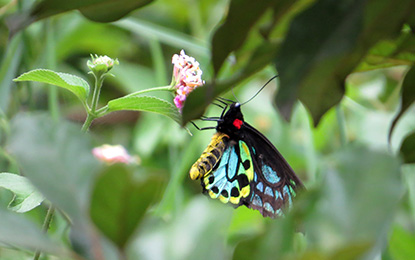
Swallowtails are some of the largest butterflies in Australia, with wingspans that can exceed 14 centimetres in the biggest species. Many are easily recognised by the small tail‑like extensions on their hindwings that resemble the forked tail of a swallow bird — a feature that gives the group its name. Although not every species has these tails, the graceful flight and bold patterns are unmistakable.
A Family of Giants
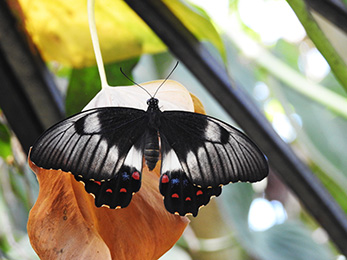
Swallowtails are among the most visually impressive butterflies in the world. Their wings often display dramatic combinations of black, yellow, blue, red, and green, sometimes with shimmering iridescent scales.
Across Australia, species range from the familiar Orchard Swallowtail that frequents backyard citrus trees to rare rainforest specialists such as the Richmond Birdwing, one of the largest butterflies in the country.
These butterflies are strong and confident fliers, often gliding high above forests, gardens, and river valleys.
Adapted for a Variety of Habitats
Swallowtail butterflies can be found across many Australian landscapes, including:
- tropical rainforests
- coastal woodlands
- open forests and bushland
- river valleys and wetlands
- suburban gardens and orchards
Different species have evolved to use specific host plants for their caterpillars, meaning their distribution is often closely tied to the availability of certain native plants.
A Remarkable Life Cycle
Like all butterflies, swallowtails undergo a complete transformation known as metamorphosis, passing through four distinct life stages:
- Egg – usually laid on the leaves of specific host plants
- Caterpillar – a feeding stage where the larva grows rapidly
- Chrysalis (pupa) – the transformation stage
- Adult butterfly – the winged stage that feeds, mates, and reproduces
Many swallowtail caterpillars possess a unique defensive organ called an osmeterium, a small forked gland behind the head that releases a strong scent to deter predators.
Ecological Importance
Swallowtail butterflies play important roles in ecosystems as:
- pollinators of flowering plants
- food sources for birds, reptiles, and other wildlife
- indicators of environmental health
Because many species depend on specific plants, their presence can reflect the health of local ecosystems.
Indigenous Connections
Butterflies have long been observed as part of the natural cycles of the land by First Nations peoples across Australia. Their seasonal appearances often coincide with flowering plants and changing weather patterns.
Traditional ecological knowledge recognises insects, including butterflies, as part of the broader web of life that connects plants, animals, and landscapes. While traditional names vary widely between language groups, butterflies are often associated with transformation, seasonal change, and the vitality of Country.
Conservation and Habitat Protection
While some swallowtail butterflies remain common, others face increasing pressures from:
- habitat loss
- the decline of native host plants
- invasive species
- climate change
Protecting native vegetation and planting host plants in gardens can help support these butterflies and maintain healthy populations.
Scientific References
Braby, M. F. Butterflies of Australia: Their Identification, Biology and Distribution
Australian Butterfly Conservation resources
Atlas of Living Australia – Papilionidae records
CSIRO – Australian insect biodiversity
Wikipedia – Papilionidae (Swallowtail butterflies