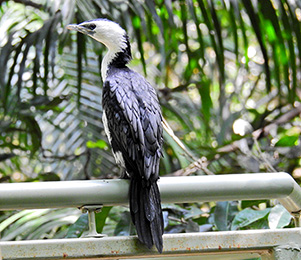
CORMORANTS
Master Divers of the Waterways: Australia’s Cormorants
Whether you are strolling along a suburban riverbank, kayaking through an inland wetland, or exploring our rugged, windswept coastlines, you are bound to encounter the unmistakable silhouette of a cormorant.
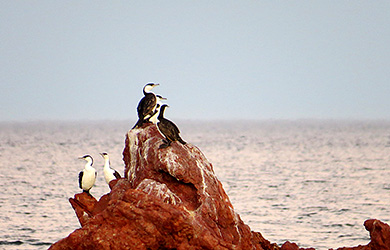
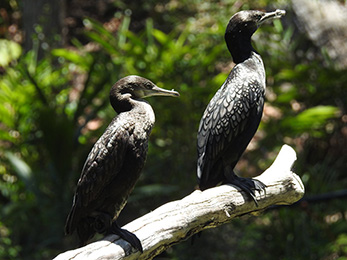
Often seen standing like dark, gothic statues on wooden pilings or rocky outcrops with their wings spread wide to the sun, these highly intelligent waterbirds are the undisputed master divers of the Australian waterways. Belonging to the family Phalacrocoracidae, this section explores the fascinating biology, quirky habits, and vital ecological roles of Australia’s sleek aquatic hunters.
Deep Time Connections: The Skilled Fishers
For tens of thousands of years, First Nations peoples across Australia have observed and respected the incredible fishing prowess of cormorants. In many coastal and river-dwelling Aboriginal cultures, these dark, diving birds are recognised as highly efficient hunters and reliable indicators of plentiful fish stocks.
Because they rely entirely on the bounty of the water, a thriving local population of cormorants has long been understood as a clear sign of a healthy, balanced, and vibrant aquatic ecosystem.
Built for the Depths: What Makes a Cormorant Unique?
While they might share the water with ducks, swans, and pelicans, cormorants have evolved an entirely different, highly specialized set of tools for survival.
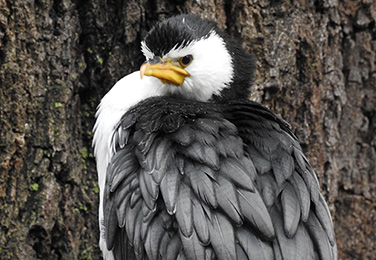
- The “Sinking” Feathers: This is perhaps their most famous trait! While ducks have heavily oiled, waterproof feathers that keep them floating like corks, cormorants have evolved feathers that are intentionally less waterproof. This allows their plumage to become waterlogged, reducing their natural buoyancy so they can dive deeper and swim faster underwater without constantly floating back to the surface.
- The Heraldic Pose: Because they get wet, cormorants cannot simply shake off the water and fly away. After a long fishing session, they must find a sunny, breezy perch and stand completely still with their wings spread wide open—often called the “heraldic pose”—to literally air-dry their feathers.
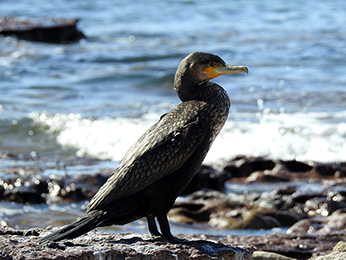
- Ultimate Swimming Gear: They boast a powerful, hook-tipped bill designed perfectly for grasping slippery, thrashing fish. To propel themselves through the murky depths, their feet are “totipalmate,” meaning all four of their toes are connected by a single, thick web of skin, giving them massive underwater horsepower.
Apex Aquatic Predators: Their Role in the Ecosystem
As top-tier aquatic predators, cormorants play a fundamental role in maintaining the health of our rivers, lakes, and oceans.
By consuming vast amounts of fish, crustaceans, and occasionally frogs, they act as natural population controllers, ensuring that no single species of fish completely dominates a waterway. Furthermore, because they often nest in massive, noisy colonies in trees or on rocky islands, their nutrient-rich droppings (guano) act as a powerful natural fertilizer, transferring vital marine nutrients back onto the land to support plant growth.
Conservation Status and Environmental Threats
While many cormorant species in Australia are highly adaptable and currently listed as common, they face a barrage of daily, human-led threats in our shared waterways.
Because they are visual hunters that actively chase their prey underwater, they are incredibly vulnerable to what we leave behind. Their biggest threat is entanglement; countless cormorants drown every year after becoming tangled in discarded recreational fishing lines, commercial gillnets, and submerged crab pots. They are also highly sensitive to water pollution. Major oil spills destroy the limited waterproofing they do have, leading to fatal hypothermia, while agricultural chemical runoff can decimate the local fish populations they rely on to feed their chicks.
What Can We Do to Help?
Ensuring our rivers and coastlines remain safe havens for these dark submarines requires us to be mindful custodians of the water. Here is how we can all help protect them:
- Bin Your Fishing Tackle: The single most important action you can take is to never leave fishing line behind. A few metres of clear nylon line left tangled in the reeds is an invisible, deadly trap for a diving bird.
- Respect Their Resting Spots: If you are out boating and see a group of cormorants drying their wings on a snag or a rocky outcrop, give them a wide berth. Forcing a wet cormorant to take flight burns precious energy it needs to hunt and stay warm.
- Keep Waterways Clean: Minimizing the use of harsh synthetic fertilizers in your backyard ensures less chemical runoff enters the stormwater drains, keeping our local creeks and the fish within them healthy.
Scientific References
- Australian Museum. Cormorants and Shags (Family Phalacrocoracidae).
- BirdLife Australia. Waterbirds and Wetland Conservation.
- CSIRO Publishing. Australian Waterbirds: A Field Guide.
- Department of Climate Change, Energy, the Environment and Water. Marine and Coastal Bird Conservation.