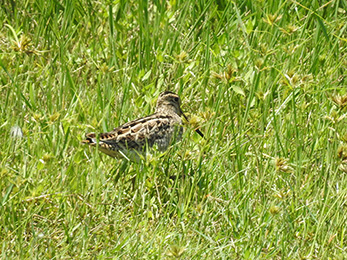
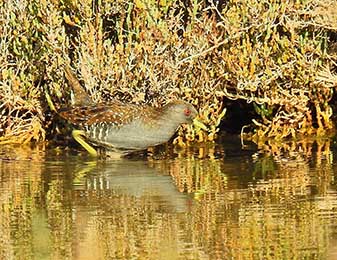
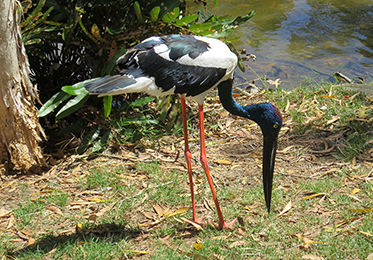
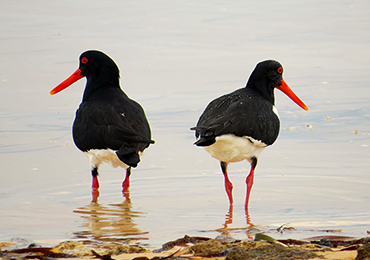
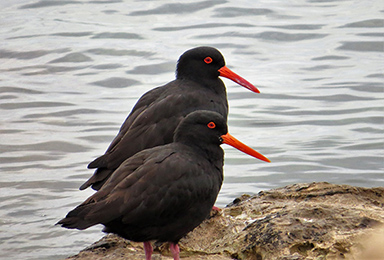
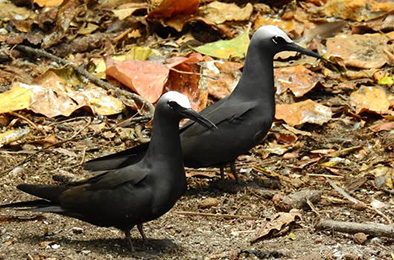
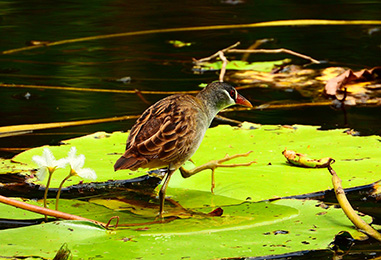
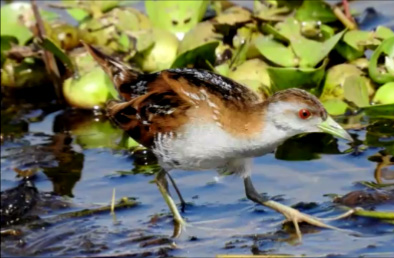
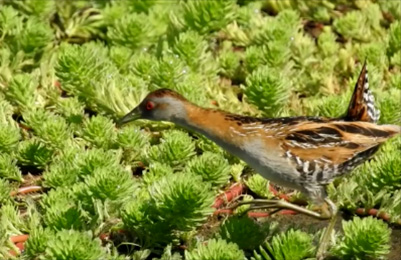
Wetland and Shorebirds of Australia
Australia’s wetlands, estuaries, rivers, and coastal mudflats are among the most important bird habitats on Earth. From towering pelicans gliding over inland lakes to delicate migratory sandpipers probing tidal mudflats, these environments support an astonishing diversity of life.
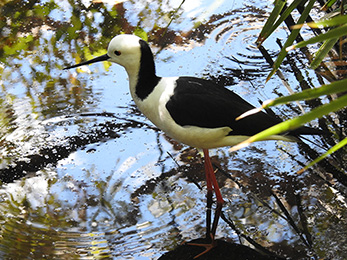
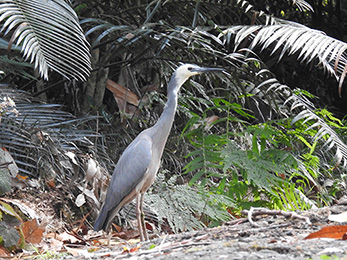
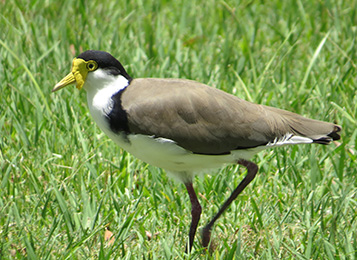
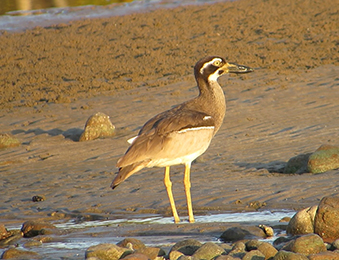
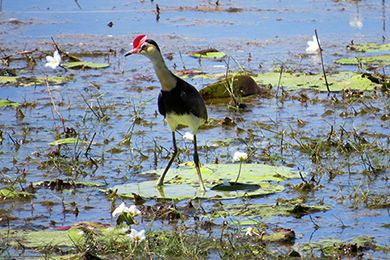
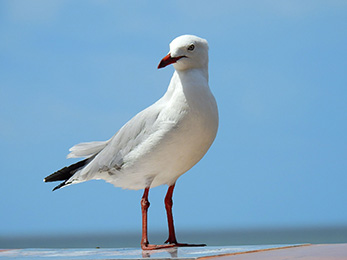
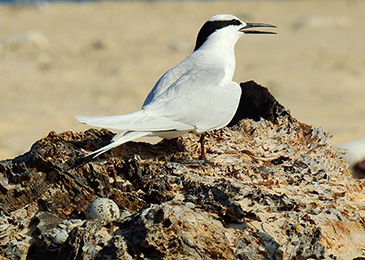
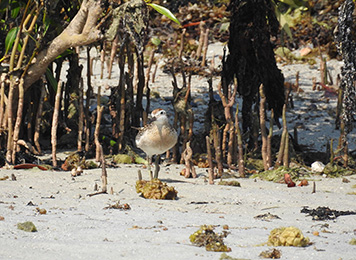
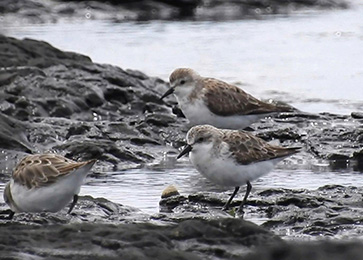
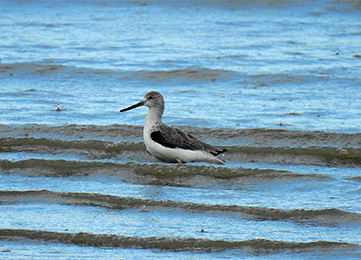
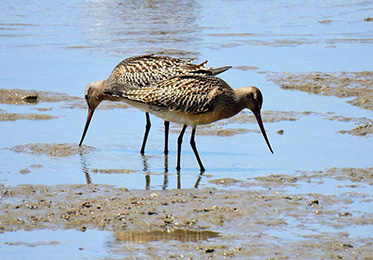
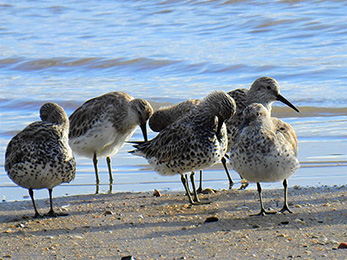
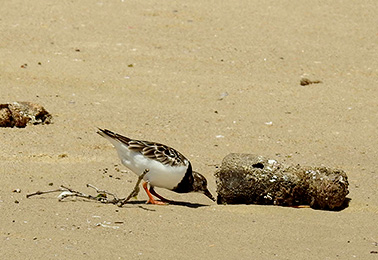
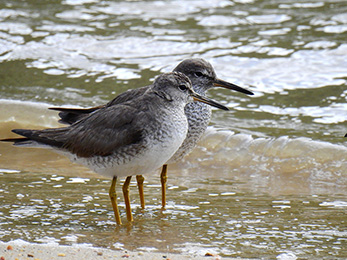
Wetland and shorebirds are specially adapted to survive in places where land and water meet. Many species have long legs for wading, sensitive bills for probing mud, and remarkable endurance for long migrations. Some live in Australia all year, while others travel thousands of kilometres each year to feed in our wetlands during the southern summer.
This section of the website explores the fascinating world of Australia’s wetland and shorebirds, the habitats they depend on, and the conservation efforts helping protect them.
Australia’s Rich Diversity of Wetland and Shorebirds
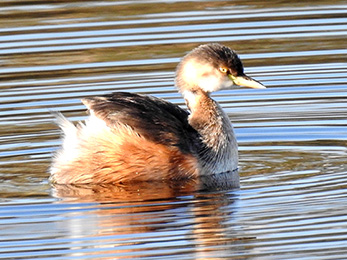
Australia is home to a wide variety of wetland and shorebird species, many of which are found nowhere else in the world. These birds have evolved to thrive in some of the continent’s most challenging environments, including dry inland floodplains, coastal estuaries, mangrove forests, and salt marshes.
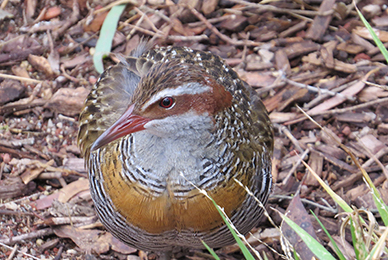
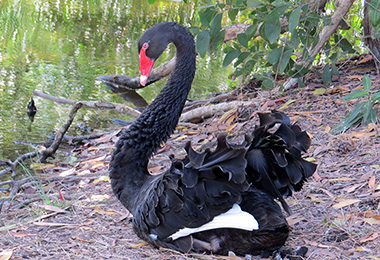
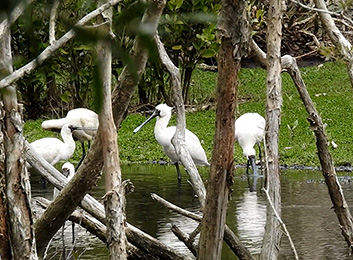
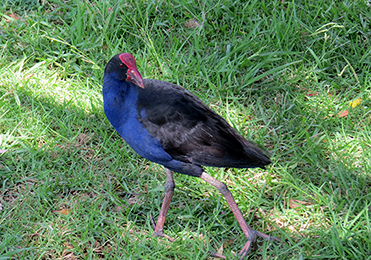
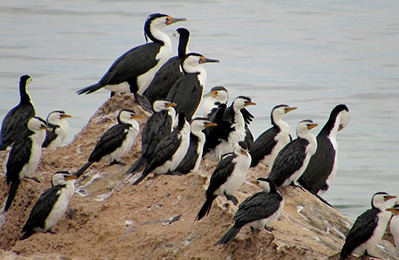
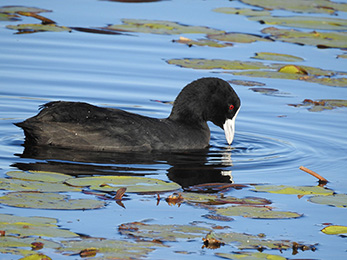
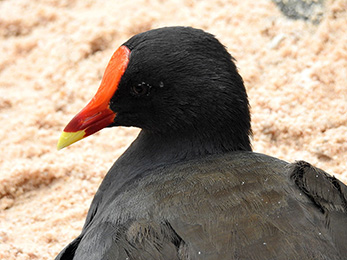
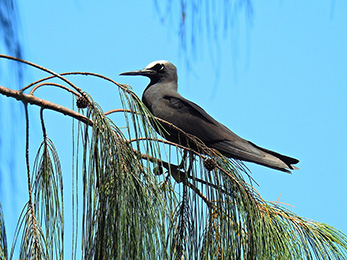
From elegant herons and secretive crakes to powerful cormorants and graceful waders, each species plays a vital role in maintaining the health of wetland ecosystems. Many feed on fish, insects, crustaceans, and aquatic plants, helping keep these delicate environments balanced.
For ornithologists, birdwatchers, and nature enthusiasts, Australia’s wetlands provide endless opportunities to observe fascinating behaviour and remarkable biodiversity.
Epic Migratory Journeys to Australia
Every year, millions of migratory birds travel enormous distances to reach Australia’s wetlands and shorelines. Many species fly along the East Asian–Australasian Flyway, one of the world’s major bird migration routes.
Birds from regions as far away as Siberia, northern China, Alaska, and the Arctic tundra migrate south to Australia during the northern winter. Here they find warmer climates and abundant food in coastal mudflats and inland wetlands.
These extraordinary journeys can cover 10,000 kilometres or more, making migratory shorebirds some of the most impressive travellers in the natural world.
Ramsar Wetlands: Internationally Important Bird Habitats
Australia contains many wetlands recognised under the Ramsar Convention, an international treaty designed to protect wetlands of global significance.
Ramsar wetlands provide critical habitat for large numbers of birds, including waterfowl, waders, and migratory shorebirds. These sites support breeding colonies, feeding grounds, and important resting areas during migration.
Famous Ramsar wetlands in Australia include places such as Kakadu National Park, the Coorong and Lakes Alexandrina and the Gippsland Lakes in Victoria. Protecting these areas is essential for the survival of many bird species.
Vital Breeding Grounds
Some wetlands and coastal areas serve as important breeding grounds for both resident and migratory birds.
Locations such as the Coorong in South Australia, inland floodplains of the Murray–Darling Basin, and northern tropical wetlands provide safe nesting sites and abundant food for growing chicks.
When water levels are favourable, large breeding colonies of waterbirds may gather in these areas, creating spectacular wildlife events where thousands of birds nest and raise their young.
Threats to Wetland Birds
Despite their importance, wetlands are among the most threatened ecosystems on Earth. Many wetland and shorebird species in Australia face increasing pressures, including:
- habitat loss from land development
- pollution and declining water quality
- climate change and rising sea levels
- reduced water flows in rivers
- disturbance from human activity
Conservation organisations, researchers, and government agencies work together to protect these habitats through restoration projects, wildlife monitoring programs, and international conservation agreements.
Unique and Iconic Wetland Species
Australia’s wetlands support some truly remarkable birds. Among them are species that have adapted uniquely to the continent’s ecosystems.
Familiar examples include:
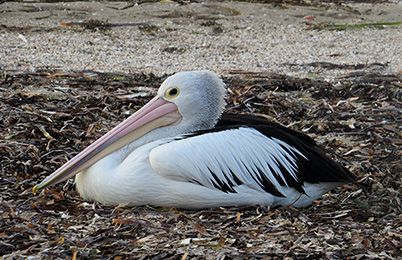
- the Australian Pelican, one of the world’s largest flying birds
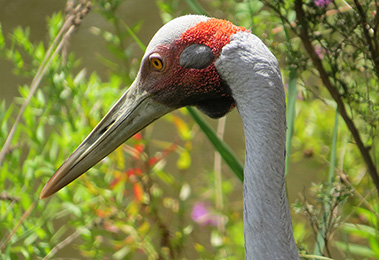
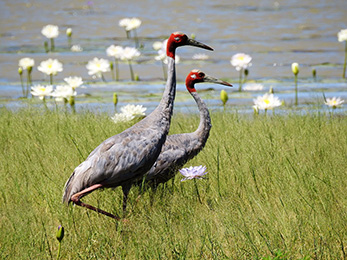
- the elegant Brolga, famous for its spectacular courtship dance
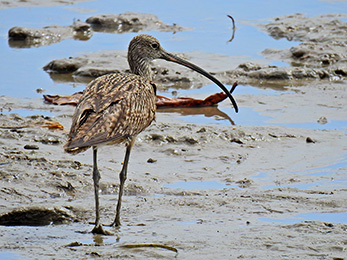
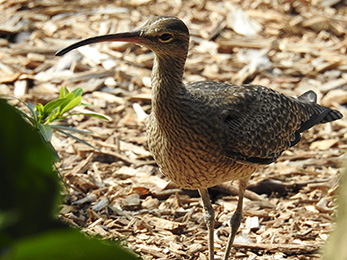
- the Eastern Curlew, the world’s largest migratory shorebird and now critically endangered
These birds represent the extraordinary diversity of wildlife that depends on Australia’s wetlands.
Birdwatching and Ecotourism
Australia’s wetlands and shorelines attract birdwatchers and nature enthusiasts from around the world. Observing waterbirds in their natural habitats has become a popular activity that supports local tourism and conservation awareness.
From coastal mudflats to inland billabongs, these locations provide opportunities to witness migration events, breeding colonies, and rare species.
By appreciating and protecting these environments, visitors and communities play an important role in ensuring that Australia’s wetland birds continue to thrive.
Scientific References
BirdLife Australia – Wetland and migratory shorebird conservation
Australian Government – Ramsar wetlands information
Department of Climate Change, Energy, the Environment and Water – Waterbird conservation programs
Pizzey, G. & Knight, F. The Field Guide to the Birds of Australia
Wetlands International – Migratory shorebird research and monitoring