Australia’s Grasswrens and Fairywrens
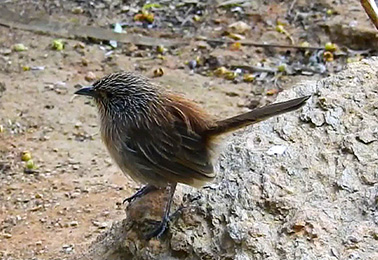
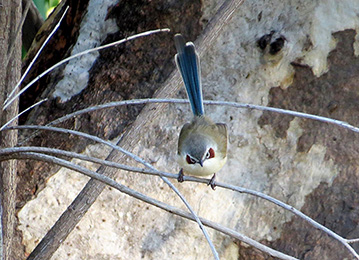
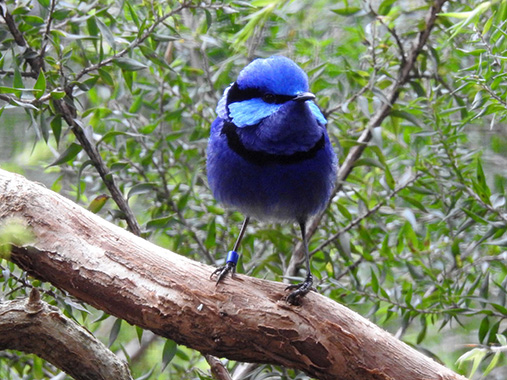
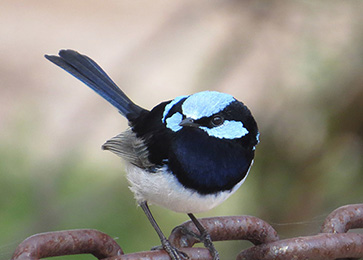
Australia’s grasswrens and fairywrens are among the country’s most enchanting native birds. Small, active and full of character, they bring colour, movement and life to forests, woodlands, heathlands, grasslands and arid inland country. Many people are familiar with the bright blue fairywrens that flit through gardens and bushland, while the grasswrens are often more secretive, living quietly in dense grasses, spinifex and low shrubs.
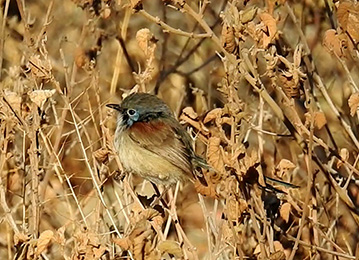
Although they are commonly grouped together by name, these birds are each beautifully adapted to their own habitat. Fairywrens are often seen darting through low vegetation in small family groups, feeding on insects and other tiny invertebrates. Grasswrens are usually more elusive, blending into the landscape with their streaked brown plumage and secretive habits. Together, they reflect the remarkable diversity of Australia’s small birds and the importance of protecting native habitat.
What Makes Australia’s Wrens So Special?
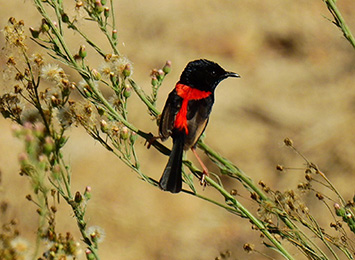
Australia’s wrens are loved for their delicate size, lively behaviour and memorable calls. Many fairywrens show striking seasonal differences between the sexes, with males developing brilliant breeding colours and females wearing softer tones for camouflage. Grasswrens are usually more muted in colour, but their subtle beauty and specialised habitat make them just as fascinating to observe.
These birds rely on healthy native vegetation for shelter, nesting and feeding. Dense ground cover, shrubs, grasses and leaf litter all play an important role in their survival. Some species are common and adaptable, while others are rare, localised or under pressure from habitat loss, fire, grazing and predators.
Where Do They Live?
Fairywrens and grasswrens are found across many parts of Australia, from coastal shrublands and open woodland to dry inland country and spinifex plains. Fairywrens often adapt well to gardens, parks and regenerated bushland, especially where native plants are present. Grasswrens are generally more specialised and prefer areas with thicker, more rugged cover where they can move safely and remain hidden.
Their presence is often a sign of a living landscape. Where these birds survive and breed successfully, there is usually still enough native vegetation to support a wider range of wildlife as well.
Why Learn About Them?
Australia’s fairywrens and grasswrens are not only beautiful, they are also important indicators of ecosystem health. Learning about their looks, sounds, habitat, diet, breeding and conservation status helps us understand the places they depend on and the pressures they face. Even small changes to habitat can affect tiny birds like these, which is why conservation and careful land management matter.
Use the links on this page to explore each species in more detail and discover the unique story of Australia’s grasswrens and fairywrens.